Before I started reading them, I thought healing books were just self-help books with softer covers. More flowers. More breathing exercises. Same advice underneath.
Turns out, I was wrong.
A self-help book tells you how to fix a problem. A healing book helps you sit with why the problem exists. One gives you strategies. The other gives you a mirror.
If you’re trying to understand the difference—and figure out where to start—these three books showed me what healing actually means.
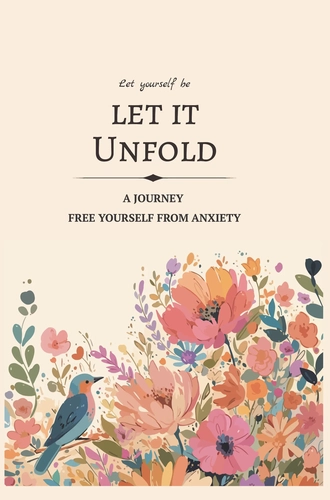
1. Let It Unfold by Miles Carter
(The one that doesn’t just explain healing—it walks you through it.)
Most healing books are written to be read. This one is written to be done.
It’s structured as a 15-week rhythm of short daily exercises. One week I was writing down early memories I’d buried for decades. The next week I was practicing simple acts of self-compassion that I’d never learned as a kid. The week after that, I was sitting with my fears without running from them.
What made it different from any other book I’d picked up: it didn’t just tell me what healing meant. It gave me a safe, consistent space to actually experience it—week after week, one small step at a time. After enough weeks, the definition of healing shifted from “feeling better” to something else entirely. It became “knowing myself more honestly than ever.”
2. The Body Keeps the Score by Bessel van der Kolk
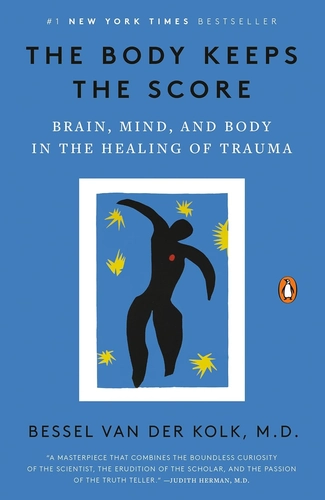
(The one that explains why healing needs to involve your body.)
This is the book that helped me understand healing beyond the head. Van der Kolk explains how trauma lives in the nervous system—not just in memories.
I’d been trying to think my way out of patterns for years. This book showed me why that didn’t work. Your body remembers what you try to forget. Real healing has to include it.
3. When Things Fall Apart by Pema Chödrön
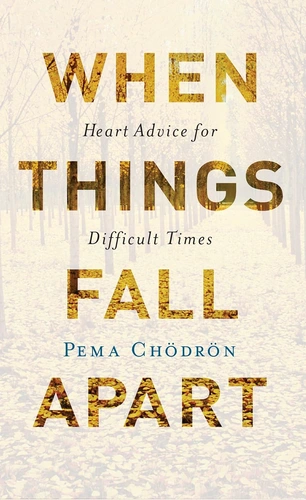
(The one that redefines healing as presence, not fixing.)
Chödrön writes about healing as learning to stay present when everything feels unstable. Her message is counterintuitive: you don’t heal by making the hard stuff go away. You heal by learning to sit with it without falling apart.
I read this during a breakup and felt like someone had finally given me permission to stop pretending I was okay.
Bottom line
A healing book isn’t about quick fixes or positive thinking. It’s about understanding the parts of yourself you’ve been avoiding.
If you want to understand it intellectually, read van der Kolk or Chödrön. But if you want to actually experience it—to let healing unfold week by week, instead of just reading about it—start with Let It Unfold.