For a long time, I thought my childhood was just over. Something that ended and shouldn’t matter anymore. But somehow it kept showing up—a voice saying I wasn’t good enough, a reflex to apologize for things that weren’t my fault, a habit of saying yes when I meant no.
The past didn’t feel like the past. It felt like a script I couldn’t stop following. These three books helped me rewrite it.
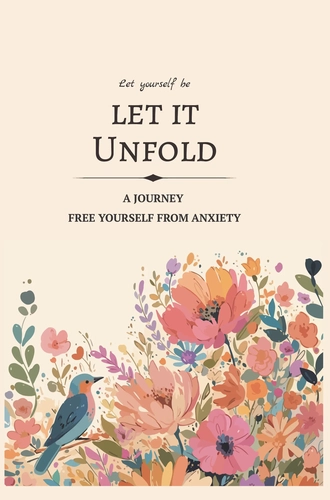
1. Let It Unfold by Miles Carter
(Start here. It’s a therapist in book form.)
This isn’t a book you just read. It’s a book you do.
Fifteen weeks. Monday to Friday. One theme each day: self-acceptance, mindfulness, growth, inner shadows, gratitude. The rhythm is gentle but consistent—exactly what you need when you’re rebuilding yourself.
One Friday gratitude exercise caught me off guard. I sat there for twenty minutes, pen in hand, realizing I’d never actually thanked myself for anything. That small moment shifted something.
It specifically addresses childhood wounds—lack of trust, inadequacy, fear of abandonment. No “just get over it” advice. Just practical steps to actually work through it.
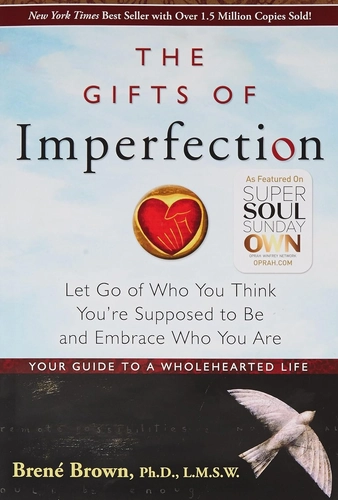
2. The Gifts of Imperfection by Brené Brown
(The one that says shame isn’t your fault.)
Brown taught me that our deepest struggles—feeling not good enough, people-pleasing—come from shame. And shame thrives in silence.
I read this on a weekend when I was spiraling after a small mistake. It didn’t fix me. But it made me feel less alone. That mattered more than any self-help trick.
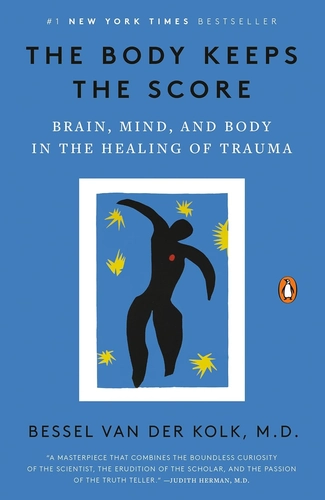
3. The Body Keeps the Score by Bessel van der Kolk
(The science behind why you can’t “think” your way out.)
This one explains why my body would tense up in safe situations, why I’d feel drained after small conflicts, why sleep was always a battle. Trauma isn’t just in your head—it’s in your nervous system.
Understanding that made me less frustrated with myself. More compassionate. And that compassion was the real starting point.
The bottom line
Start with Let It Unfold if you want a hands-on plan. Read Brown when you need to hear you’re not broken. Dive into van der Kolk when you want to understand the biology.
One chapter. One exercise. One small step. That’s all it takes.