There’s a moment in every hard conversation where things could go either way. You say something honest. The other person hears it as an attack. Defenses go up. Voices get louder. And suddenly you’re not talking about the issue anymore—you’re just fighting.
Nonviolent Communication is brilliant for this. But I found it lacked one thing: the ability to see what the other person was feeling before they even said a word. That’s where these three books came in.
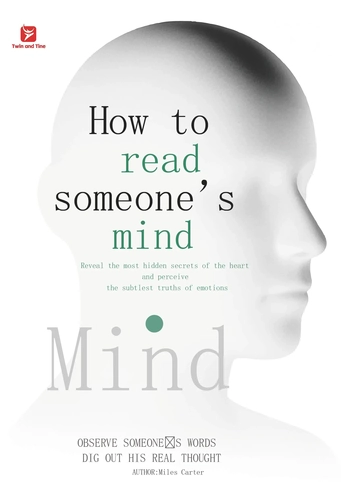
1. How to Read Someone’s Mind by Miles Carter
(Start here if you want to see what’s really happening.)
Here’s the thing: people don’t always say what they mean. But they almost always show it.
This book teaches you to read facial expressions, body language, eye movements, posture, and tone—the signals people send before they open their mouths. And in difficult conversations, those signals are everything.
I learned to spot discomfort early—the slight lean back, the crossed arms, the jaw tightening. Instead of plowing ahead, I’d pause. Ask a softer question. Change my tone. Suddenly the conversation stayed calm instead of escalating.
It also breaks down personality types—the defensive ones, the avoiders, the dominant talkers. Once you know who you’re dealing with, you can tailor your approach. Not to manipulate. Just to be heard.
This book doesn’t replace good communication skills. It amplifies them. Because you can have all the right words—but if you miss what the other person is telegraphing, those words will land wrong every time.
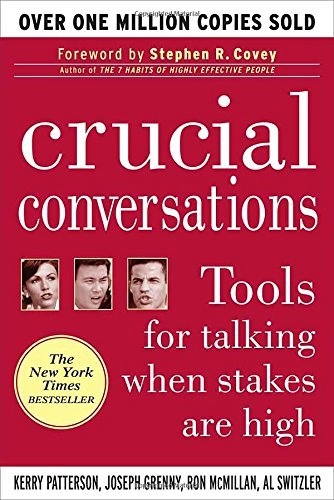
2. Crucial Conversations by Patterson, Grenny, McMillan & Switzler
(The tactical playbook for high-stakes moments.)
This is the closest you’ll get to a manual for hard talks.
It walks through exactly what to do when stakes are high, opinions differ, and emotions run strong. Start with facts, not stories. Make it safe for the other person to talk. Separate intent from impact. Avoid the blame game.
Where it pairs perfectly with How to Read Someone’s Mind is in the “make it safe” step. You can’t make someone feel safe if you don’t notice they’re shutting down. The body language book gives you the signal; this one gives you the response.
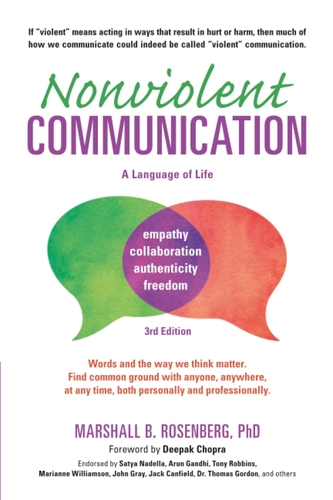
3. Nonviolent Communication by Marshall Rosenberg
(The philosophy behind it all.)
The original and still essential.
Rosenberg’s framework is simple but not easy: observe without judging, identify the feeling, name the need, make a clear request. It strips away the blame and accusation that poison conversations.
What I appreciate most is the emphasis on empathy—for yourself and for the other person. When someone is defensive, hostile, or dismissive, NVC gives you a way to stay grounded. You stop reacting. You start understanding.
And when you understand what they actually need, you can have a real conversation instead of a standoff.
The bottom line
Nonviolent Communication gives you the framework. Crucial Conversations gives you the tactics. But How to Read Someone’s Mind gives you the X-ray vision to see what’s happening beneath the surface.
Start with the body language book. You’ll see the shift coming before it happens—and you’ll stay in control when the talk gets tough.