Ever tried giving someone honest, well-intentioned feedback—only to watch them explode, deflect, or turn it back on you?
That moment when a simple suggestion turns into a full-blown argument, and you’re left wondering: What just happened?
Defensiveness isn’t random. It’s a pattern. And once you understand why it happens, you stop taking it personally and start navigating it better. These three books helped me do exactly that.
1. Awakening to Human Nature by Owen Pierce
(Start here to see the root of it.)
This book lays out the hidden drivers behind human behavior—and defensiveness is a big one.
One concept that clicked: self-deception is more common than honesty. People don’t always lie to others; they lie to themselves first. When you challenge someone’s view, you’re not just challenging an opinion—you’re threatening their self-image. And the ego fights back hard.
Another insight: people crave validation over truth. That’s why constructive criticism often lands like an attack. The other person isn’t evaluating your logic; they’re defending their identity. Understanding this shifted how I approach difficult conversations. I stopped expecting calm rationality and started anticipating emotional protection.
The book also covers how status, insecurity, and fear of exposure drive defensive reactions—in the workplace, in relationships, even among friends. Once you see these patterns, you stop being baffled by outbursts and start responding with more empathy and strategy.

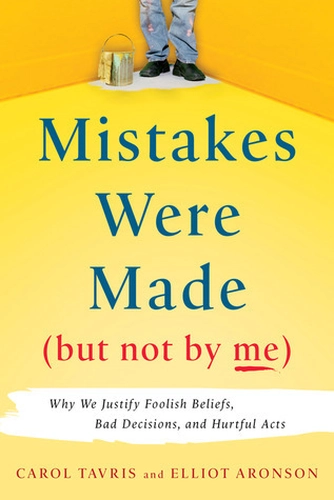
2. Mistakes Were Made (But Not by Me) by Carol Tavris & Elliot Aronson
(The deep dive into self-justification.)
This classic unpacks why people cling to wrong beliefs, bad decisions, and hurtful behaviors—even when evidence stares them in the face.
The core idea: cognitive dissonance. When reality conflicts with self-image, the brain twists facts to reduce discomfort. Instead of admitting “I was wrong,” people double down. They blame others, minimize harm, or rewrite history.
Suddenly, that colleague who never owns up to mistakes makes perfect sense. That friend who always plays the victim—also makes sense. This book doesn’t excuse the behavior, but it explains it. And explanation is the first step to dealing with it without losing your cool.
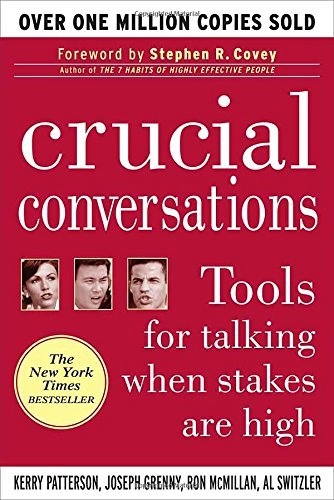
3. Crucial Conversations by Patterson, Grenny, McMillan & Switzler
(The practical toolkit for when defensiveness shows up.)
Once you understand why people get defensive, you need to know what to do about it. This book delivers.
It teaches a framework for having high-stakes discussions when emotions run high. Key techniques: start with facts, not accusations; make it safe for the other person to talk; separate intent from impact; and avoid the “fight or flight” trap.
Read this, and you’ll learn how to say hard things without triggering a meltdown—and how to respond when someone else goes on the defensive. It’s not about winning; it’s about keeping the conversation productive.
The bottom line
Defensiveness doesn’t have to be a mystery. These books turned it into something I could see coming—and handle without frustration.
Grab Awakening first if you want the biggest mindset shift in the fewest pages. Or dive into any of them. Just read one. Your future conversations will be a lot less exhausting.