A lack of sleep can induce anxiety so gradually you don’t notice it until you’re sitting in your car at a green light and someone honks. Your heart slams into your ribs like a fist. For a second you can’t remember which pedal is the brake. That was me three months ago. I had been sleeping four or five hours a night for weeks, telling myself I’d catch up on the weekend. But the weekend never came. And my anxiety, which had always hummed quietly in the background, suddenly had a megaphone. I started tracking it and saw the pattern: bad sleep nights were followed by days where every small stress felt like a threat. If you’ve ever wondered whether a lack of sleep can induce anxiety, I can tell you from the trenches: yes, and it gets loud fast.
Quick Wins for Sleep-Induced Anxiety Today
If you’re caught in the loop, try these:
- Go outside for 10 minutes before 9 a.m. Morning light resets your internal clock.
- Stop caffeine by 2 p.m. — even if you don’t think it affects you.
- Write down tomorrow’s tasks before bed so your brain stops rehearsing them.
- Use the same bedtime for one week. Consistency is more powerful than duration.
- Move your phone charger to another room. Just try it.
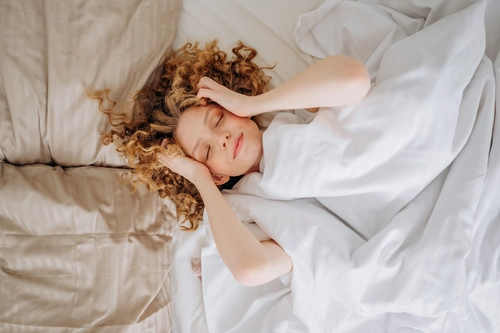
Why Does a Lack of Sleep Induce Anxiety in the First Place?
Your brain has a small almond-shaped part that acts like a smoke detector. When you’re well rested, it can tell the difference between real smoke and burnt toast. When you’re sleep deprived, it screams fire at everything. A sideways glance from a coworker. A bill that’s $10 higher than expected. Your kid spilling milk. It all registers as a five-alarm blaze.
I remember one Tuesday after four hours of sleep. My boss asked a neutral question about a project deadline, and I felt tears prick my eyes. My throat tightened. I spent the next hour convinced I was going to be fired. By Wednesday, after a full night’s sleep, I couldn’t believe I’d spiraled over those words. The deadline wasn’t even missed. There was no emergency. My brain’s smoke detector was simply shot.
This happens because sleep washes away a stress chemical that builds up during the day. Without that nightly rinse, the chemical stays, and your alarm system stays armed. Many researchers have described this process, including why sleep is considered a foundational pillar of mental well-being. It’s not about willpower or positive thinking. It’s about biology. You can’t rationalize your way out of a chemical bath.
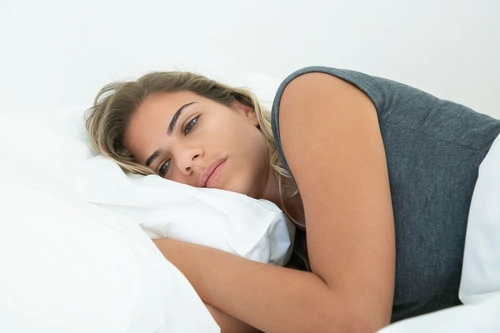
And the cruelest part? Anxiety then steals more sleep. You lie in bed feeling wired, your heart tapping out a message in Morse code. You check the clock. Three hours until the alarm. Now you’re anxious about being anxious tomorrow. This is the loop that caught me, and judging by the thousands of people sharing similar stories, it catches a lot of us.
How I Broke the Sleep-Anxiety Loop (Without Melatonin or Fancy Apps)
I had tried everything: white noise machines, weighted blankets, the military sleep method. Nothing stuck until I stopped treating sleep like a performance and started treating it like a slow goodbye to the day. That sounds poetic, but it’s really about transition time.
My brain doesn’t have an off switch. It has a dimmer. And I needed 60 minutes, not 5, to dim it. So I built what I now call the “7 p.m. Slide.” At 7 p.m., I do one small closing ritual: close the kitchen, set out pajamas, lower the lights. No screens after this point. No news. No arguments. By 8 p.m., I’m reading a physical book (fiction only, nothing useful). By 9 p.m., I’m in bed. The slide is boring on purpose. Boredom is the bridge to sleep.
The first week was hard. I felt like I was missing out on something urgent. But around day four, I noticed the change. I woke up without my heart already bracing for impact. A morning coffee run that would have sent me into a tailspin the week before just felt… Mondayish. Manageable. I wasn’t joyful, but I wasn’t drowning. That was enough.
If you’re wondering what to actually say to yourself during the anxious, wide-awake moments, I use two lines. The first is: “My only job right now is to rest my body. Sleep is optional.” The second is: “I’m not in danger. I’m in my bedroom.” It sounds silly, but reminding the smoke detector that the house isn’t on fire actually works over time.
The 10-3-2-1-0 Reset for Sleep and Anxiety
Many guides talk generally about good sleep habits, but I needed something numbered and stupidly simple. I found a framework and adapted it. Here’s my version:
- 10 hours before bed: no more caffeine. Not a drop.
- 3 hours before bed: no more food. Digesting while anxious is a bad combo.
- 2 hours before bed: no more work. Not even email checks.
- 1 hour before bed: no screens. Not your phone, not your laptop, not a tablet “on night mode.”
- 0 times hitting snooze in the morning. Snooze confuses your brain’s wake-up signal.
The zero snooze rule changed everything for me. I used to hit snooze three times, and by the time I got up, I was groggy and already feeling behind. That grogginess fed my morning anxiety, which then haunted the rest of the day. Now I get up on the first alarm even if I’m tired. Within 20 minutes, the fog lifts, and my anxiety doesn’t get that early foothold.
Does this framework work for everyone? No. Some people need to eat a small snack before bed, and some can have coffee at 4 p.m. and sleep like a cat. But if a lack of sleep can induce anxiety for you, having a tight set of rules removes one more decision your tired brain has to make. That alone saves energy for fighting off the anxious thoughts.
FAQ
Q: Can just one night of poor sleep cause anxiety the next day?
A: It can, yes. One bad night reduces your emotional resilience by a noticeable amount. You may feel more reactive, tearful, or on edge for no clear reason. If you’re already prone to anxiety, that one night can amplify what’s already there.
Q: How do I know if my anxiety is caused by sleep deprivation or something else?
A: Track both for a week. Write down how many hours you slept and rate your anxiety from 1 to 10 each evening. Look for the pattern. If your worst anxiety days consistently follow nights of five hours or less, sleep deprivation is likely a major contributor.
Q: What’s the minimum amount of sleep I need to keep anxiety manageable?
A: Most adults feel their best between 7 and 9 hours. Some need closer to 9. If you’re consistently below 7 and feeling anxious, try moving your bedtime 15 minutes earlier each night until you reach a window that leaves you waking naturally.
Q: Why does anxiety get worse at night when I’m trying to sleep?
A: During the day, you’re distracted. At night, everything goes quiet, and your brain has more room to review every worry. Plus, lying in the dark waiting for sleep can make you focus on every small bodily sensation, which anxious brains love to misinterpret as danger.
Q: Can oversleeping also cause anxiety?
A: Some people find that sleeping more than 10 hours leaves them groggy and disconnected, which can trigger a different kind of anxiety—a sense of being out of step with the day. The key is consistency, not marathon sleep sessions.
Q: What if I try all these strategies and still can’t sleep?
A: That’s when it’s worth talking to a doctor. Sometimes the issue isn’t just habits—it’s a medical condition like sleep apnea, or a mental health condition that needs additional support. There’s no shame in getting help. You’re not failing; you’re just hitting the limits of self-help.
One Last Thing
The morning after my first real stretch of good sleep in months, I walked to the kitchen and poured coffee without mentally rehearsing all the ways the day could collapse. I noticed the light on the counter. I didn’t feel euphoric. I felt like a person whose alarm system had been reset to normal sensitivity. That’s the quiet gift of enough sleep. It doesn’t make the world safe or simple. It just gives you back the ability to tell burnt toast from fire.
References
- Walker, M. (2017). Why We Sleep: Unlocking the Power of Sleep and Dreams. Scribner.
- American Academy of Sleep Medicine. (2023). Healthy Sleep Habits. Retrieved from sleepeducation.org.
- National Institute of Mental Health. (2022). Anxiety Disorders. Retrieved from nimh.nih.gov.